
Alfa Romeo Repair
Alfa Romeo Repair in Atlanta, GA
Professional European Auto Service for Alfa Romeo Vehicles


Care for Advanced Alfa Romeo Technology Features
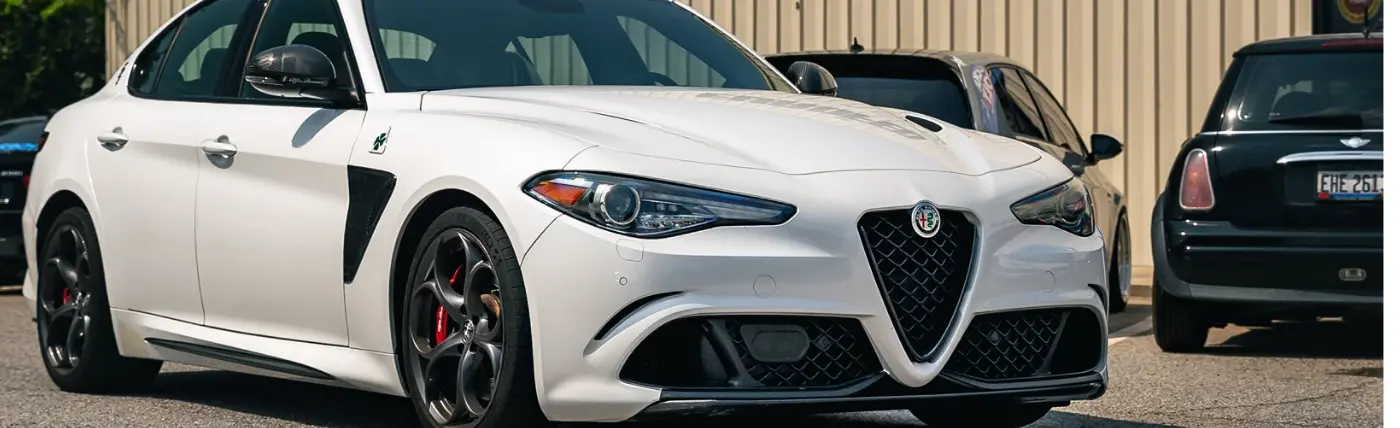
When your Alfa Romeo displays warning signs like check engine lights, transmission shifting issues, or turbocharger problems affecting boost and performance, you need technicians who understand the intricate engineering behind these Italian performance machines. At Eurofed Automotive – Midtown in Atlanta, Georgia, our factory-trained specialists utilize manufacturer-specific diagnostic equipment to accurately identify issues with your Alfa Romeo’s sophisticated systems. We regularly service everything from the high-performance twin-turbo V6 engines found in Quadrifoglio models to the refined 2.0L turbocharged engines that power the Giulia and Stelvio lineups. Our comprehensive Alfa Romeo repair services address common concerns, including oil consumption issues in turbocharged engines, electrical system malfunctions with infotainment or sensors, and suspension warning lights indicating adaptive damper issues. Located at 1180 West Marietta St NW, Atlanta, GA 30318, our facility is equipped with the specialized tools and software necessary to properly service your Alfa Romeo’s complex electronic systems and performance components.
Frequently Asked Questions
Your questions, answered clearly and confidently by our expert team.
Turbocharger maintenance should follow the manufacturer’s intervals, typically including oil changes every 5,000-7,500 miles with high-quality synthetic oil to prevent carbon buildup and ensure proper lubrication of the turbo bearings.
Shifting problems can result from software calibration needs, transmission fluid degradation, or mechanical wear in the ZF 8-speed automatic transmission, requiring proper diagnosis with manufacturer-specific equipment.
Q4 system faults often stem from sensor malfunctions, software glitches, or mechanical issues with the rear differential coupling, requiring specialized diagnostic tools to identify the root cause.
Warning lights, uneven ride quality, or reduced handling performance typically indicate adaptive damper issues that require inspection of the electronic control modules and suspension components.
Brembo brake systems need regular inspection of brake fluid quality, pad wear monitoring, and rotor condition checks to maintain optimal stopping performance and prevent premature component failure.